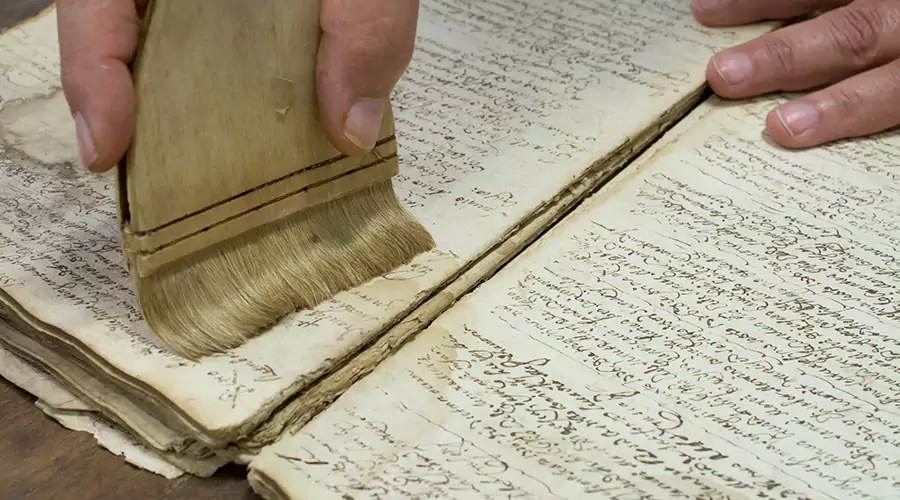




Water damage can strike suddenly — from floods, burst pipes, storms, or leaks — and one of the most heartbreaking losses is documents and photos. These are irreplaceable items like birth certificates, family photos, legal records, yearbooks, and treasured keepsakes. Fortunately, professional restoration experts use advanced techniques to rescue and restore paper items that might otherwise seem ruined. In this guide, we explain how pros recover water‑damaged documents and photos and what the process looks like from start to finish.
It’s tempting to grab a hairdryer and start drying wet paper yourself, but incorrect drying can permanently warp, stick, or deteriorate the material. Professionals use methods that preserve the integrity of the fiber, slow moisture loss to avoid distortion, and reduce mold and microbial growth.
When specialists receive water‑damaged paper items, the first steps are:
The most important and widely used technique in document recovery is vacuum freeze‑drying, especially for large volumes of wet paper. This process is often used by national archives and restoration specialists because it dry‑dries water without letting it go through liquid form again — preventing distortion and shrinkage.
This method is the same process used by institutions like the Library of Congress and is the only method approved by some national archival authorities for valuable paper restoration.
Why it works: Because it avoids re‑wetting the paper, freeze‑drying minimizes warping, reduces ink bleeding, and preserves the paper’s structure much better than air drying alone.
For documents or photos with light water exposure, air drying can be effective when done correctly:
This method works best if items have not been soaked for long and the environment is controlled (low humidity and good airflow).
Photographs require special handling because the image surface can be damaged by contact or improper drying. Pros often:
Books and bound documents are treated by placing absorbent paper between the pages every few pages to wick out moisture. After drying, they may be pressed flat to reduce warping.
Once a document or photo is dried, it might still have contaminants, odors, or mold spores. Professional teams clean surfaces using dry cleaning methods, HEPA vacuums, and, if necessary, microbial disinfecting to make the items safe to handle.
Some restoration services also offer gamma irradiation — a sterilization process that kills bacteria, viruses, and mold spores without damaging the paper — which can be important for items exposed to contaminated floodwater.
As part of recovery, many professionals also digitize restored documents and photos:
Digitization is especially recommended for business records and legal documents that must be preserved beyond the physical recovery process.
Before professionals arrive, there are a few key things to avoid:
Instead, if you must act before pros arrive, place papers upright in a well‑ventilated room or freeze them to buy time.
While many documents and photos can be recovered, it’s important to understand that not all damage is reversible. Ink that has completely run, images that have faded irretrievably, or paper that has physically broken down may not return to “like new” condition. Water Damage Repair services by professional restoration maximizes what can be saved, but some aesthetic changes may remain visible.
Recovering water‑damaged documents and photos is a delicate process that blends science and preservation expertise. From immediate freezing and air drying to vacuum freeze‑drying and gamma sterilization, professional restoration gives you the best chance of preserving priceless memories and important records. Acting quickly and using the right methods — or calling restoration pros — can make all the difference between permanent loss and recovery.
Our certified experts are ready 24/7 to assist you with emergency restoration services.
GET A QUOTE